




Toyota and Waymo announced a strategic collaboration 18 months ago, and the 2 firms have now outlined the following phase of their plan to work together on autonomous robotaxis. The brand new robotaxis are set to be validated and tested in Japan next 12 months, using the Toyota bZ4X electric crossover (currently often called the Toyota bZ in america). The collaboration will mark the primary domestically manufactured fully autonomous ride-hailing service in Japan, before the robotaxis are deployed in other major markets.
Initial Testing and Validation Begin in 2027
Toyota
Next 12 months, Toyota and Waymo will conduct testing and validation of the autonomous Toyota bZ4X in Japan. Toyota is a worldwide manufacturing powerhouse, and mixing this with Waymo’s expertise in autonomous vehicles could prove to be a formidable combination. The specialized Toyota SUVs will likely be built on the automaker’s Takaoka plant in Toyota City, Japan. Quite than construct the vehicle base and have Waymo install its hardware at one other location, every thing will happen under one roof.
Toyota’s goal isn’t only to supply a more convenient technique of transportation, especially for those with mobility difficulties, but additionally to scale back accidents that involve human error. The businesses will still work towards enabling autonomous technology for personally-owned Toyota vehicles.
“In areas where Waymo operates, we’ve demonstrated that we’re as much as 20x safer than human drivers in the case of serious crash injuries, and our partnership with Toyota will help us bring the protection and convenience of autonomous driving to more people world wide, including key international markets like Japan,” said Dmitri Dolgov, co-CEO of Waymo.
Toyota bZ4X Prepares For Latest Role
Toyota
The Toyota bZ4X never got off to the best start within the U.S., however the renamed bZ has flourished this 12 months after a series of updates were introduced for the 2026 model 12 months; sales are up by 103.4% within the U.S. this 12 months to date.
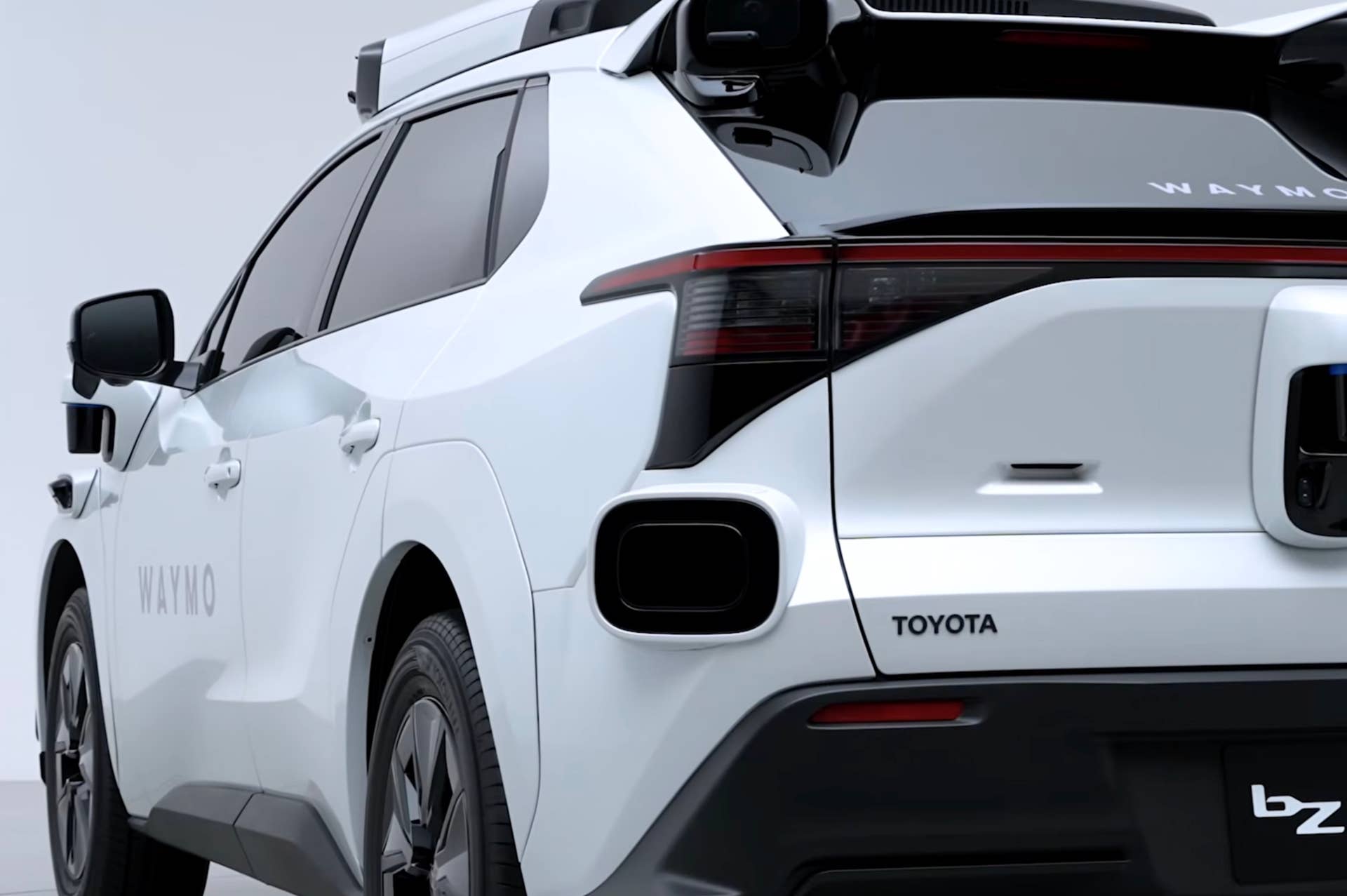
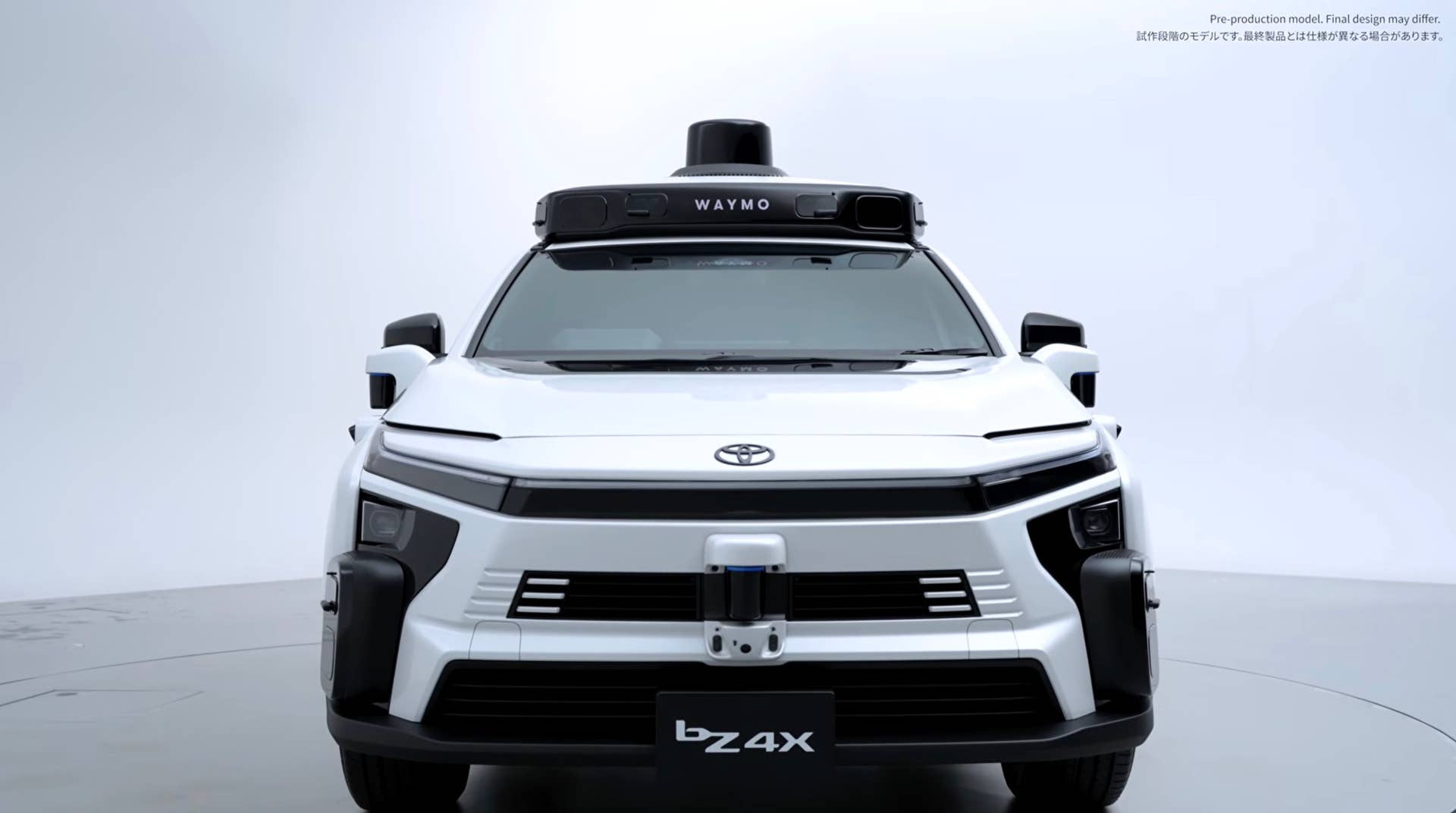
The autonomous bZ4X will receive various enhancements because it transitions into its role as a robotaxi. In line with Toyota, it has been designed for greater comfort and accessibility, with a deal with rear legroom. It can also include features not found on the regular bZ, corresponding to automatic doors. An influence liftgate and special ambient lighting will make ingress/egress more convenient for passengers. Above all, it can adopt Waymo’s leading self-driving tech, which the autonomous company claims has a 93% satisfaction rate.
“Safety technology makes the largest difference when it reaches as many individuals as possible,” said Hiroki Nakajima, member of the board of directors and executive vp of Toyota. “This collaboration will help scale that technology and produce it to customers in Japan and beyond through Waymo’s ride-hailing service, and in parallel, Toyota will proceed to explore how integrating vehicles with traffic infrastructure could make those roads safer still.”
Planned Market Rollout
Toyota
Once testing and validation have been accomplished in Japan, the autonomous Toyota bZ4X fleet is anticipated to roll on the market, before expanding to the UK, so right-hand-drive markets are being prioritized initially. Other Waymo-serviced markets are expected to return on board in the approaching years, but Toyota didn’t specifically mention when customers in america can expect to utilize these self-driving Toyotas.
For many commuters, probably the most exciting aspect of the Waymo and Toyota partnership will likely be the planned introduction of autonomous tech into personally-owned vehicles. The thought of a reliable Toyota with a possible Tesla-rivaling self-driving system will likely be of great interest to many buyers. Lessons learned from the bZ4X robotaxi project are prone to speed up this possibility within the years ahead.
In regards to the writer

Karl Furlong is a senior editor at Autoblog covering industry news, luxury cars, in-car technology, sales trends and model comparisons with greater than nine years of experience as an automotive author.
This Article First Appeared At www.autoblog.com
