




Automotive
Tesla’s futuristic Cybercab has barely began rolling around Austin, Texas, and it’s already attracting attention from federal safety regulators. The aim-built autonomous vehicle stands out since it does away with a number of the most elementary equipment drivers have expected for greater than a century, including a steering wheel, accelerator pedal, brake pedal, and traditional mirrors. That radical design is an element of Tesla’s vision for a driverless transportation future, nevertheless it has also prompted the National Highway Traffic Safety Administration, higher referred to as NHTSA, to take a better take a look at how the Cybercab complies with existing federal safety rules.
The central issue involves Tesla’s certification that the Cybercab complies with all applicable Federal Motor Vehicle Safety Standards, or FMVSS. That wording matters because many federal vehicle standards were written around the idea that a human being can be sitting behind the wheel. NHTSA has opened an Audit Query to look at the technical and certification information Tesla relied upon, including whether the automaker determined that certain standards simply don’t apply to a vehicle designed without traditional driver controls. The review reportedly covers nearly 1,000 Cybercabs and will help establish how regulators approach a brand new generation of vehicles built specifically for autonomous operation.
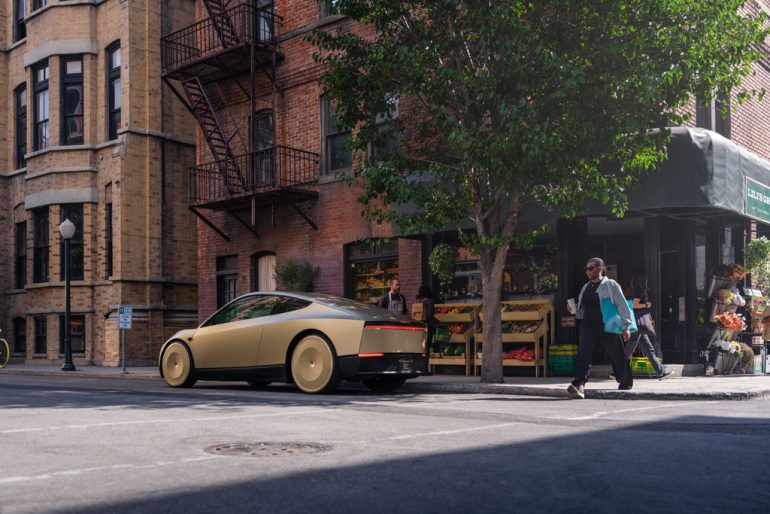
Tesla’s Cybercab represents a very interesting regulatory challenge since the federal certification system largely puts the initial responsibility on automakers. Manufacturers certify that their vehicles meet applicable safety standards before selling or deploying them, while NHTSA has the authority to research potential compliance problems, conduct testing, request documentation, and ultimately pursue recalls or other enforcement actions. On this case, the agency appears focused less on an allegation of a selected mechanical defect and more on whether Tesla’s interpretation of existing regulations was appropriate when it certified a vehicle that intentionally removes equipment traditionally required for human driving.
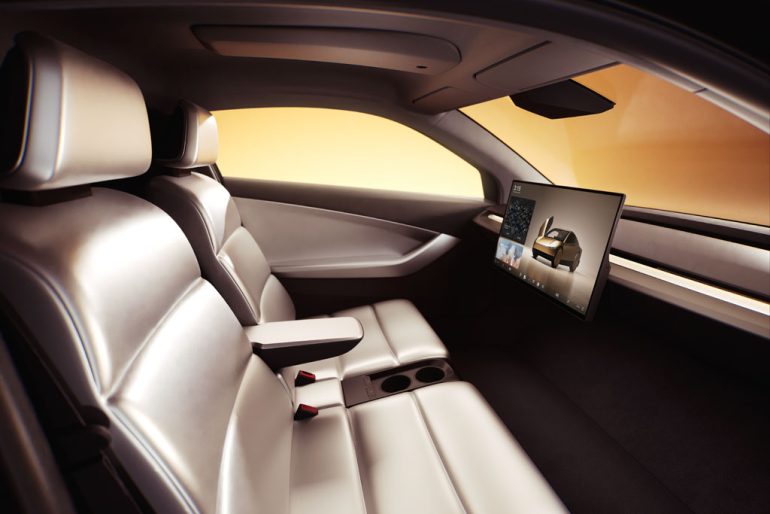
For Tesla, the scrutiny comes at a crucial moment. The corporate has positioned autonomous driving and robotaxis as major pieces of its future business, and the Cybercab is arguably the clearest physical representation of that strategy yet. Limited Cybercab rides have begun in Austin, putting the bizarre two-seat vehicle into public view while Tesla works toward a much wider autonomous ride-hailing network. Removing the steering wheel and pedals could eventually make sense for a genuinely driverless vehicle, but getting from today’s regulations to that future isn’t so simple as deleting familiar controls. Automakers still must display that vehicles meet federal requirements or successfully establish why certain requirements shouldn’t apply.
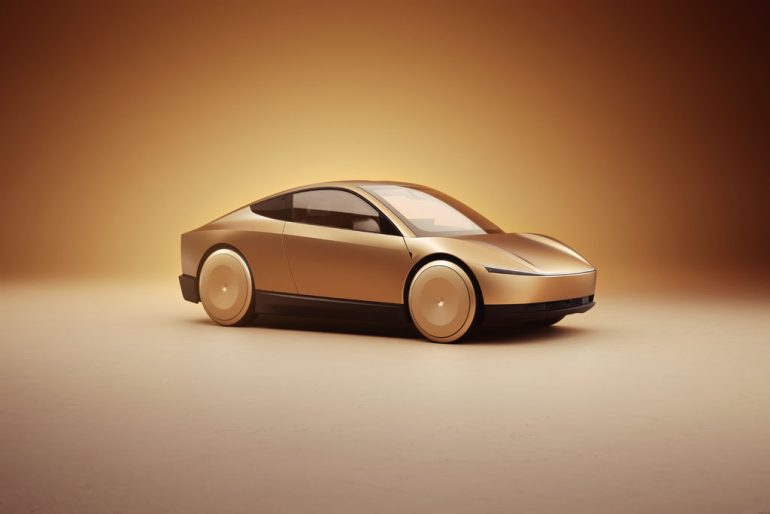
There isn’t a indication at this point that NHTSA has ordered Tesla to remove Cybercabs from the road, and the opening of an investigation doesn’t itself mean the vehicles are unsafe or improperly certified. What it does mean is that Tesla could have to elucidate in much greater detail the way it reached its compliance conclusions. Federal automotive investigations also can crawl, particularly when complicated technology and regulations are involved. Still, the Cybercab review could prove significant well beyond Tesla. If fully driverless vehicles without steering wheels and pedals are going to grow to be common on American roads, regulators and manufacturers will eventually need a much clearer framework for determining exactly which safety standards still apply and the way autonomous machines needs to be certified in the primary place.
Lloyd Tobias is a seasoned automotive journalist and passionate enthusiast with over 15 years of experience immersed on the planet of cars. Whether it’s exploring the newest advancements in automotive technology or keeping an in depth pulse on breaking industry news, Lloyd brings a pointy perspective and a deep appreciation for all things automotive. His writing blends technical insight with real-world enthusiasm, making his contributions each informative and fascinating for readers who share his love for the drive. When he’s not behind the keyboard or under the hood, Lloyd enjoys test driving the latest models and staying ahead of the curve in an ever-evolving automotive landscape.

This Article First Appeared At www.automotiveaddicts.com
