




Automotive
After nearly nine years of anticipation, countless delays, and enough broken guarantees to make some enthusiasts forget the Tesla Roadster was ever presupposed to return, Elon Musk has finally pulled the covers off the next-generation electric sports automotive. Originally unveiled in 2017 with expectations of production starting in 2020, the Roadster has spent the higher a part of a decade becoming something of a running joke amongst enthusiasts. We previously covered Tesla’s promise of an October 1 reveal, which eventually slipped to October 15, 2026, but there have been signs that something was brewing when Tesla reopened Roadster reservations in September, requiring a considerable $50,000 deposit. Now, with the covers finally removed, Tesla has revealed something much more outrageous than the sleek electric sports automotive originally promised. The brand new Roadster represents a dramatic shift in design and engineering philosophy, with Musk making some almost unbelievable performance claims that would completely redefine what a roadgoing sports automotive is able to. Tesla says production is targeted for 2028, meaning there’s still one other wait ahead, but not less than we finally have something substantial to speak about.
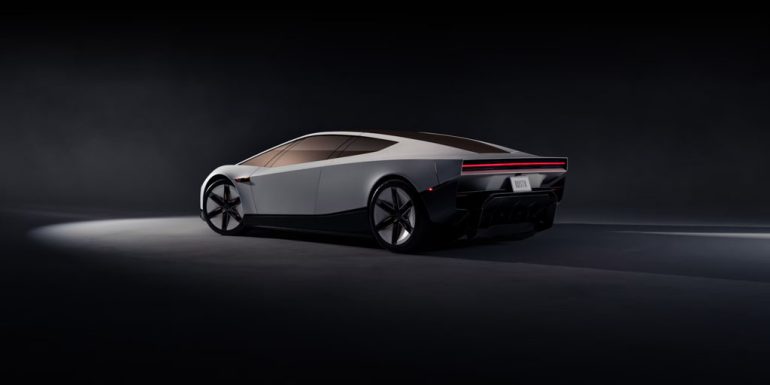
The most important surprise is likely to be the Roadster’s dramatic styling transformation. Gone are the sleek, flowing curves of the unique second-generation concept, replaced by a far more angular machine with sharply defined surfaces, squared-off edges, and an unmistakably futuristic appearance. There are definitely elements paying homage to the Tesla Cybertruck, particularly within the straightened bodywork and dramatic geometric styling. It’s not exactly what we expected in any case these years, but considering Tesla’s increasingly unconventional design direction, we’re by some means not completely surprised. The sharply sloping profile and aggressive proportions appear to prioritize aerodynamics while accommodating some reasonably extraordinary technology underneath. Interestingly, Musk also announced that the Roadster will eventually be the one manually driven vehicle Tesla produces, as the corporate continues pushing its other models toward autonomous driving. That’s a fairly remarkable statement considering Tesla’s broader ambitions, and it means the Roadster could grow to be the brand’s ultimate enthusiast machine. Musk explained that if that is going to be Tesla’s last dedicated driver’s automotive, the corporate intends to push its performance well beyond conventional limits.
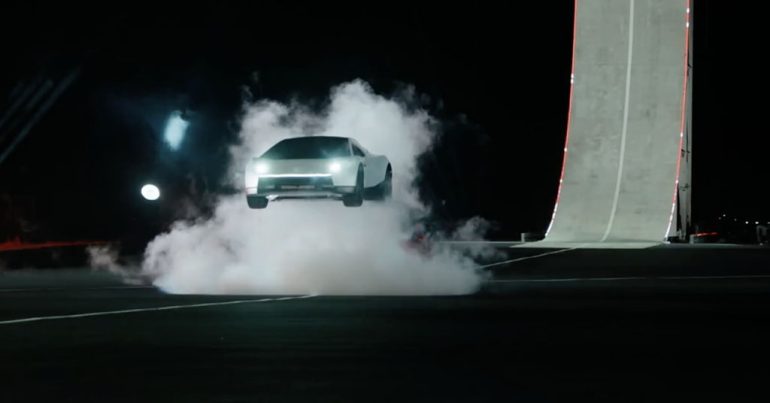
And speaking of performance, that is where things get almost absurd. Tesla is claiming the Roadster will speed up from 0-60 mph in lower than one second, with a presentation figure of roughly 0.8 seconds and Musk suggesting the ultimate vehicle could perform even higher. To realize something so extreme, Tesla has partnered with SpaceX to include cold-gas thrusters able to providing additional propulsion beyond the easy torque of its electric motors. Then there’s the extraordinary fan system mounted underneath the vehicle, which Tesla says can actively suck the Roadster toward the pavement, producing enough downforce to sustain as much as 2 g of cornering force. Take into consideration that for a moment. We’re talking a few street-legal sports automotive potentially generating cornering forces normally related to serious racing machinery. Musk even suggested the Roadster would shatter existing track records, boldly claiming it might beat every record currently standing. After all, those are enormous guarantees that may require independent testing, but the thought of mixing electric performance with energetic suction aerodynamics and aerospace-inspired propulsion is unlike anything we’ve seen from a serious automaker. At this point, the acceleration forces could grow to be physically uncomfortable, making the lighthearted discussion about not detaching someone’s retinas seem surprisingly relevant.
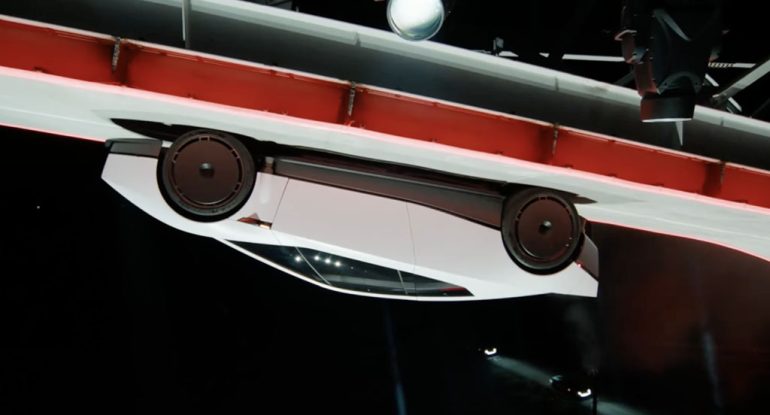
As if sub-one-second acceleration and race-car-like cornering weren’t enough, Tesla can also be claiming the Roadster can literally fly. Yes, we’re apparently entering an era where the excellence between a sports automotive and a small aircraft might grow to be a little bit blurry. The corporate’s combination of underbody fans and strategically positioned SpaceX thrusters is meant to make temporary airborne maneuvers possible, although that doesn’t mean owners should expect to fly across town or avoid traffic by lifting off the highway. Still, the very idea of a production-intended electric sports automotive able to leaving the bottom under its own power is sort of inconceivable to disregard. There are obviously enormous questions on safety, reliability, road regulations, and whether the total system could make it into customer vehicles.
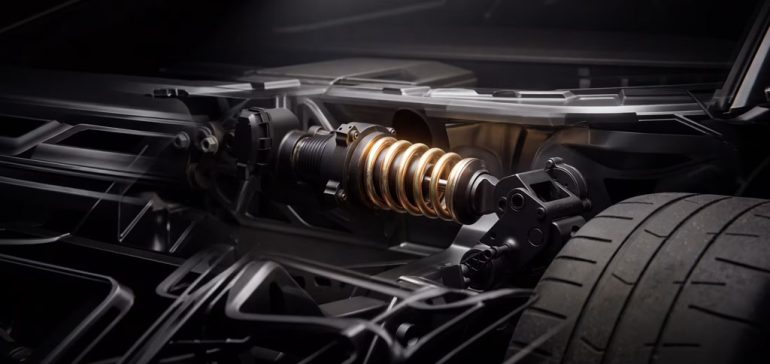
Tesla’s earlier Roadster specifications also included a claimed top speed exceeding 250 mph, a driving range of roughly 620 miles, and a considerable 200-kWh battery pack, though final specifications for this radically redesigned version remain unconfirmed. Even without the flying tricks, those numbers would put the Roadster amongst essentially the most ambitious electric performance cars ever proposed. Add the potential for temporary flight, and this becomes something that sounds more like science fiction than an bizarre automotive product announcement.
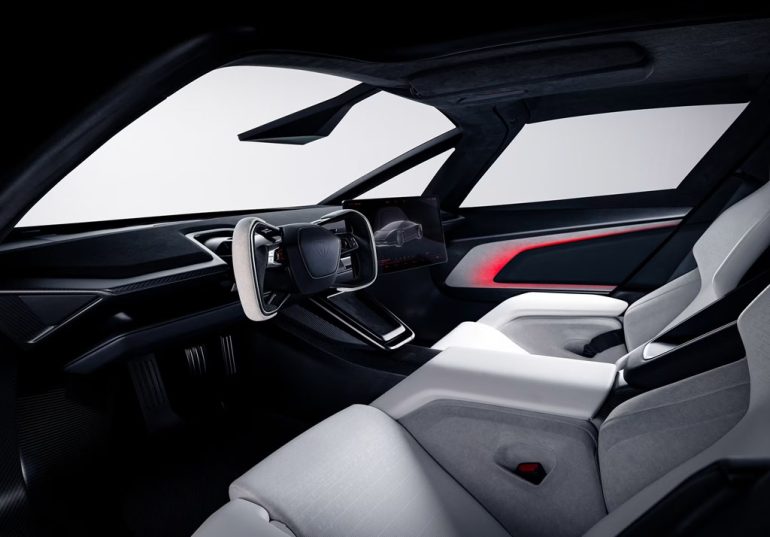
After all, the largest challenge now could be turning all these spectacular claims into something customers can actually purchase and drive. Tesla originally announced a starting price of roughly $200,000, with a $50,000 reservation deposit, although final pricing for the newest Roadster and its SpaceX-inspired equipment has yet to be confirmed. With production now targeted for 2028, Tesla still has considerable engineering and development work ahead, especially if the corporate intends to deliver its extraordinary acceleration, cornering, and flight capabilities safely and consistently. The unique Tesla Roadster helped establish the brand back in 2008 by proving an electrical sports automotive might be genuinely exciting, and nearly 20 years later, its successor is being positioned as something completely different. What began as an ambitious electric supercar project has evolved right into a wild combination of hypercar performance, energetic aerodynamic technology, and aerospace engineering. We definitely weren’t expecting the Roadster to return looking like a distant relative of the Cybertruck, much less promising to fly, but that’s apparently where Tesla is taking things. Whether Musk can deliver on every extraordinary claim stays to be seen, and after nearly nine years of waiting, skepticism is comprehensible. Still, if even a considerable portion of those guarantees grow to be reality, the brand new Tesla Roadster could find yourself being one of the remarkable performance machines ever produced. Now Tesla just needs to construct it.

Darryl Taylor Dowe is a seasoned automotive skilled with a proven track record of leading successful ventures and providing strategic consultation across the automotive industry. With years of hands-on experience in each business operations and market development, Darryl has played a key role in helping automotive brands grow and adapt in a rapidly evolving landscape. His insight and leadership have earned him recognition as a trusted expert, and his contributions to Automotive Addicts reflect his deep knowledge and fervour for the business side of the automotive world.
This Article First Appeared At www.automotiveaddicts.com
