




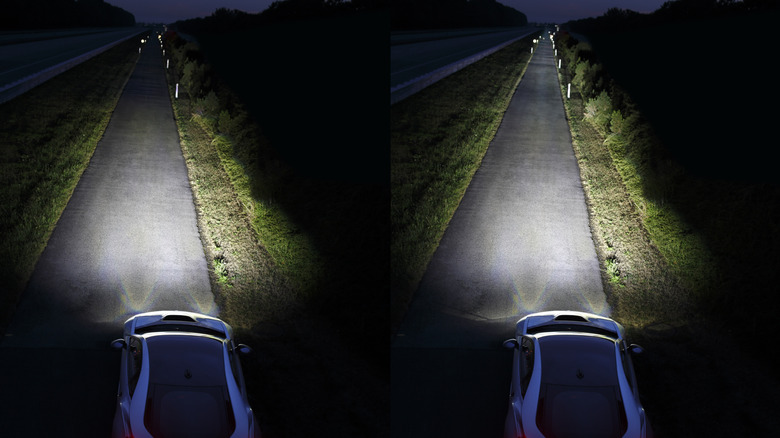
The U.S. National Highway Traffic Safety Administration establishes regulations for virtually the whole lot on all cars sold within the country, but NHTSA is just not known for being especially progressive or proactive with its laws. Ever notice how U.S.-market cars of the early Nineteen Eighties had uglier headlights than the identical automobile had in several markets? That was attributable to an outdated NHTSA regulation, and still-outdated NHTSA headlight regulations prohibit carmakers from selling us their advanced headlight technologies, including safety-oriented features like adaptive matrix lights that avoid blinding other drivers. NHTSA announced on Monday that it would be working with industry experts to handle these concerns and more, for real this time.
Federal Motor Vehicle Safety Standard No. 108 is the rule that governs vehicle lighting within the U.S., and though NHTSA last amended the lighting standard in 2022, that revision was insufficient to bring our standards into line with those of most other countries, so it didn’t lead to much improvement. By collaborating with 18 vehicle lighting manufacturers, safety organizations, motorized vehicle equipment associations, research institutions, and engineering associations, NHTSA wants this recent revision to be the one which sticks.
It could possibly be the primary meaningful update to the principles in 25 years
NHTSA Administrator Jonathan Morrison said, “Today’s standards don’t allow automakers to deploy the newest safety-improving lighting technologies, so we’re bringing key experts and stakeholders together to modernize our standards and address potential causes of glare.”
There are five key areas that this update will concentrate on: aligning U.S. regulations with international safety standards, addressing headlight glare on other road users, improving performance, updating testing and materials, and modernizing lighting technology with rules for LEDs, dusk sensors, auto high beams, and replaceable light sources.
Hopefully these negotiations will allow the headlights on recent cars to be simpler, safer, and fewer blinding to other drivers. As of now, most LED headlights and tail lights require the complete unit to get replaced when one goes out, costing owners hundreds of dollars moderately than simply replacing a bulb. The road item of updating testing and materials features a provision for streamlining test procedures for plastic optics and replaceable lenses, and there is a note about using replaceable light sources, which could mean that regulations governing the alternative technique of headlights could make the method cheaper for owners.
As of now, that is just an announcement of the choice to undertake the revision in partnership with industry experts, so no changes have been made just yet. Some automakers have recently already been capable of start bringing in fancier headlight technology to our shores, though, just like the lights on the brand new Audi Q7.
This Article First Appeared At www.jalopnik.com
