




Automotive
Constructing cars in America has turn into an increasingly essential strategy for foreign automakers seeking to avoid costly import tariffs, but Mercedes-Benz is seemingly willing to play the waiting game with certainly one of its best-selling SUVs. The German luxury manufacturer has pushed back plans to supply the favored GLC-Class in the USA until May 2030, greater than two years later than originally anticipated. In line with Automotive News, the crossover was initially scheduled to start production at Mercedes’ Vance, Alabama, assembly plant in late 2027. The delay means American dealerships will proceed relying heavily on GLC models imported from Germany, leaving the automaker exposed to import duties that might affect pricing and profitability.
The choice reportedly comes right down to timing and the substantial expense of preparing an assembly plant for an outgoing vehicle generation. Quite than investing in latest tooling to construct the present GLC for less than a number of years, Mercedes is predicted to attend until the next-generation model is prepared before starting American production. Industry analyst Sam Fiorani of AutoForecast Solutions explained to Automotive News that retooling a factory twice inside such a brief period would make little financial sense. The Alabama facility already produces several of Mercedes’ larger SUVs, including the GLE, GLS, EQE SUV, and EQS SUV, making it a logical location for expanding production of the smaller GLC.
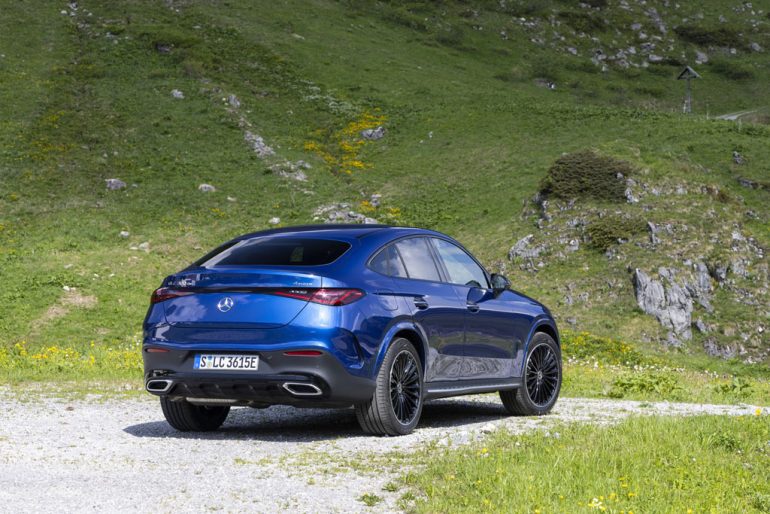
Unfortunately, that strategy comes with a potentially expensive downside. The GLC is certainly one of Mercedes-Benz’s most significant vehicles within the American market, and continuing to import it from Europe means the automaker stays exposed to the present 15% tariff on affected European vehicle imports. Mercedes has already outlined plans to take a position roughly $4 billion in its Alabama manufacturing operations through 2030, partly to extend domestic SUV production and reduce its exposure to trade-related costs. Meanwhile, reports have suggested that the Trump administration could consider lowering tariffs on European vehicles to 10%, although no such reduction needs to be considered guaranteed. Whether Mercedes absorbs the extra costs or eventually passes a few of them along to customers stays a vital query.

From our perspective, delaying GLC production is sensible from a producing standpoint, nevertheless it’s definitely a calculated risk in today’s unpredictable automotive market. Mercedes has spent a long time constructing a considerable manufacturing presence in Alabama, and adding the GLC would help strengthen that investment while potentially improving its competitiveness against luxury rivals akin to BMW, Audi, and Lexus. As also highlighted by Automobile and Driver, the delay doesn’t change Mercedes’ broader commitment to American manufacturing, nevertheless it does extend the period during which certainly one of its hottest SUVs stays vulnerable to tariffs. For buyers, the immediate impact could also be minimal, but we’ll have an interest to see whether import costs eventually influence GLC pricing before American production finally begins in 2030.

Malcolm Hogan is the founder and editor of Automotive Addicts, a trusted voice within the automotive media world for over 20 years. With 20+ years of hands-on experience covering the industry, Malcolm has built a popularity for delivering honest reviews, sharp insights, and in-depth coverage of every little thing from latest automobile debuts to high-performance test drives. Captivated with the evolving automobile culture and staying ahead of the curve, Malcolm continues to steer Automotive Addicts as a go-to destination for enthusiasts and industry insiders alike.

This Article First Appeared At www.automotiveaddicts.com
