




Automotive
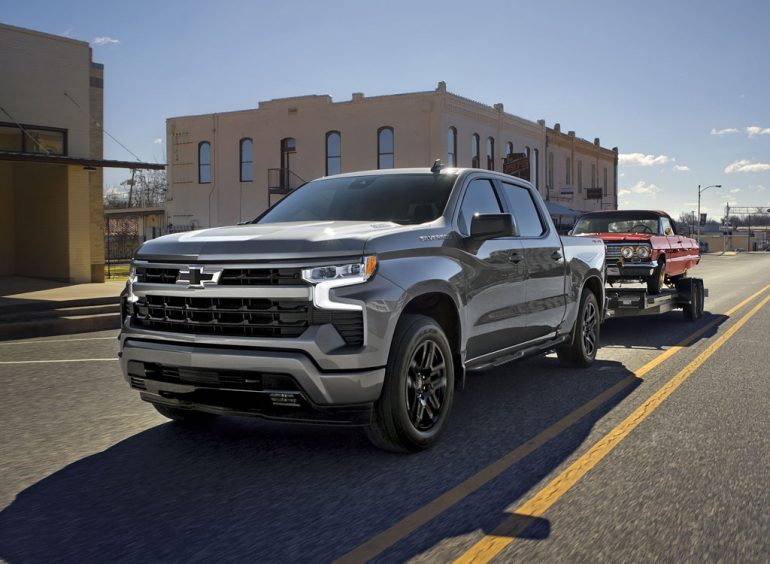
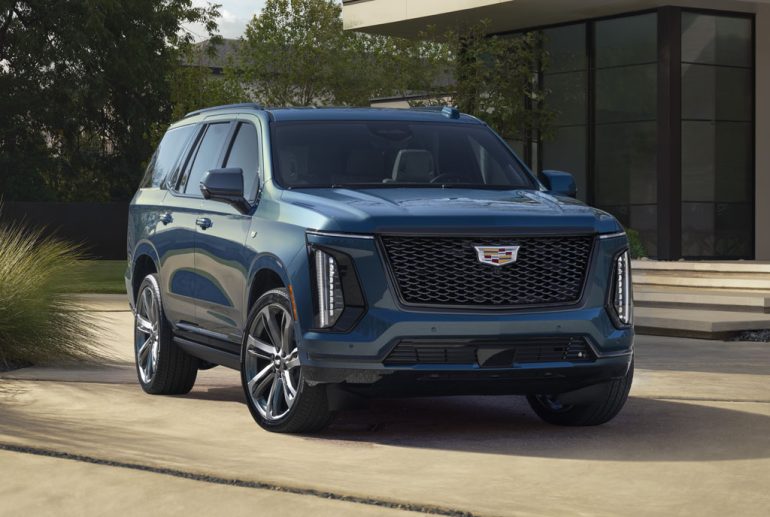
General Motors’ troublesome 6.2-liter L87 V8 is back under an excellent brighter federal highlight. The National Highway Traffic Safety Administration has expanded its investigation into the engine after receiving lots of of complaints alleging failures even after vehicles received GM’s recall treatment. The newly opened Engineering Evaluation covers 997,743 vehicles from the 2021 through 2026 model years, including the Cadillac Escalade, Chevrolet Silverado 1500, Suburban and Tahoe, together with the GMC Sierra 1500, Yukon and Yukon XL.
It is a significant escalation for an issue GM has been coping with for years. The automaker recalled nearly 600,000 L87-powered trucks and SUVs last yr over the opportunity of serious internal engine damage and sudden lack of power. Depending on inspection results, owners got one in all two remedies. Some vehicles received higher-viscosity engine oil, while others required a whole engine alternative. NHTSA is now questioning how effective those fixes have been after complaints continued rolling in.
In line with the agency, 499 complaints involve vehicles that allegedly suffered engine failures after the recall work was accomplished. Of those, 473 had received the oil-viscosity treatment, while 26 had been fitted with alternative engines. That alone could be enough to maintain regulators interested, but there’s one other wrinkle. NHTSA has also received 191 reports involving L87 engines produced after May 31, 2024, which was the top of the production period covered by the unique recall. GM, meanwhile, reported receiving 6,953 complaints involving post-remedy engine failures.
The L87 investigation has change into particularly frustrating because this is way from the primary time regulators have examined the 6.2-liter V8. Earlier inquiries stretched back several years before the most important recall finally arrived. GM previously traced the problem to supplier manufacturing and quality problems that would end in crankshafts being produced outside specification and damage to connecting-rod bearings. When that sort of internal failure happens, an engine can seize with little warning, potentially leaving a heavy truck or SUV without propulsion in traffic. That’s the reason this has at all times been more serious than a typical reliability criticism.
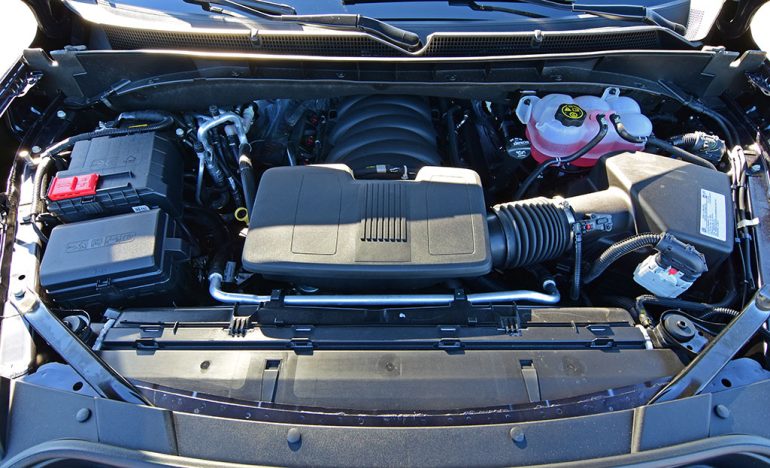
For GM, the expanded probe raises an uncomfortable query: Did the unique recall actually solve the L87 problem, or merely reduce it? An Engineering Evaluation doesn’t routinely mean one other recall is coming, nevertheless it gives NHTSA a deeper take a look at the failure pattern, GM’s repair strategy, and engines built outside the unique recall window. With nearly 1 million vehicles now included within the investigation and reports continuing after each oil changes and complete engine replacements, this 6.2-liter V8 headache appears to be a great distance from finished.

Lloyd Tobias is a seasoned automotive journalist and passionate enthusiast with over 15 years of experience immersed on the planet of cars. Whether it’s exploring the most recent advancements in automotive technology or keeping an in depth pulse on breaking industry news, Lloyd brings a pointy perspective and a deep appreciation for all things automotive. His writing blends technical insight with real-world enthusiasm, making his contributions each informative and interesting for readers who share his love for the drive. When he’s not behind the keyboard or under the hood, Lloyd enjoys test driving the latest models and staying ahead of the curve in an ever-evolving automotive landscape.

This Article First Appeared At www.automotiveaddicts.com
