




Five years after Polestar announced it was working on bidirectional charging for its electric cars, the EV brand says it’s almost here.
Polestar Australia managing director Scott Maynard says privacy and data security are priorities for the brand, as it really works to enable vehicle-to-grid (V2G) charging technology on Australian models.
“We do not yet know [the timeframe], but we all know that we’re very close,” he said.
“I used to be in a position to host meetings with engineering teams in Sweden just a couple of weeks ago, and speak with them directly about vehicle-to-grid,” he told CarExpert.
“Polestar 3 has vehicle-to-grid capability living inside it; it simply must be switched on. So, we’re near with the ability to do vehicle trials, each overseas and here in Australia, with a view to with the ability to then introduce it as quickly as possible.”
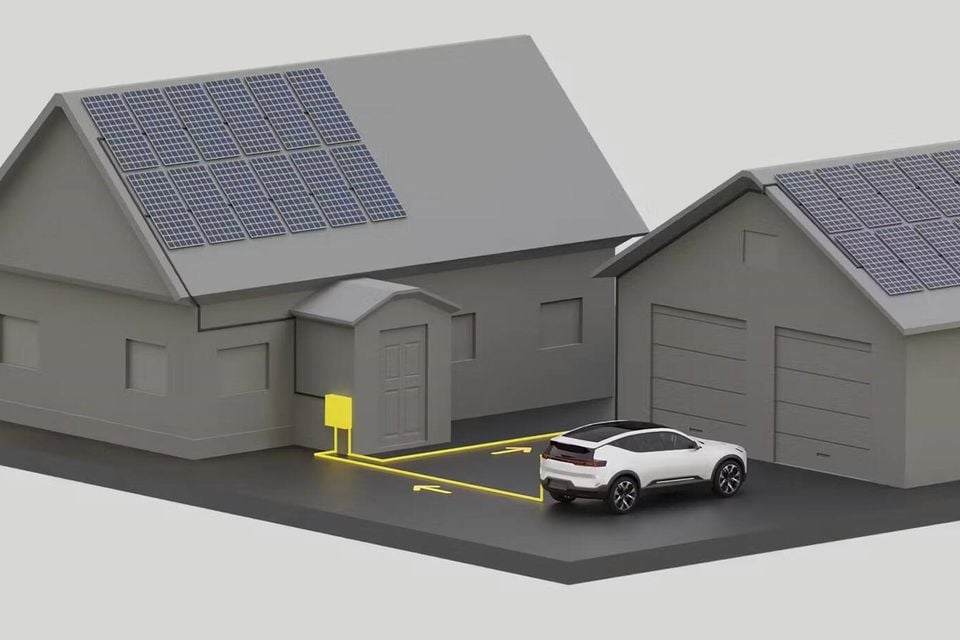
One advantage of EVs (and plug-in hybrid vehicles, or PHEVs) is V2G capability, which allows vehicle batteries to feed power back into the electricity grid with a compatible charger, while vehicle-to-load (V2L) means the automobile itself can power electrical appliances.
There’s also vehicle-to-home (V2H), which supplies power to a house directly when the grid is overloaded, expensive, or if there’s a blackout.
“We proceed to ensure that we fully understand how the technology shall be utilized in the automobile, and to find a way to be certain that there isn’t a degradation of battery life because it’s introduced,” Mr Maynard explained.
“There’s also a security component to this, and ensuring that there may be an agreed standard on the handshake when the vehicle is connected to grid, and to be certain that there isn’t a data transfer there that might compromise vehicle data, customer data, or privacy [which] can also be a crucial consideration as we step through this.
“We expect all of those things to be resolved. And I do know that there is an ordinary ‘Dash 20’ that is being introduced that can see that done, after which we would find a way to proceed. So, we’re very close.”
Dash 20 refers back to the second generation of bidirectional standards, which dictates the protocols for electricity transfer across all eligible makes and models.
Up to now only a handful of auto brands offer V2G tech of their vehicles Down Under (but only in some states, territories or networks), including Nissan with its discontinued Leaf, and Mitsubishi’s Outlander and Eclipse Cross PHEVs, while others preparing for V2G and/or undertaking trials include Hyundai, Kia, BYD and Zeekr.
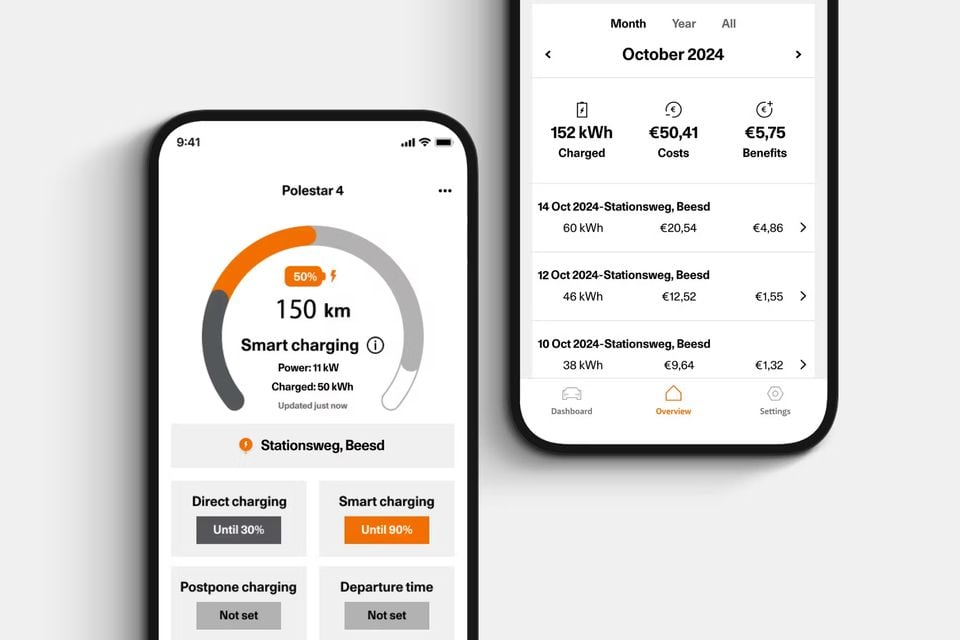
Overseas, Polestar offers a smartphone app called Polestar Energy, which allows owners to schedule vehicle recharging during off-peak periods, with integration to home solar systems – though Mr Maynard says there are not any plans to introduce it here just yet.
“Nevertheless, we are actually beginning to see interest from our head office colleagues in whether that product might be rolled out, but we have no plans at this stage to introduce it, and we haven’t got a timeline for it.”
This Article First Appeared At www.carexpert.com.au
