




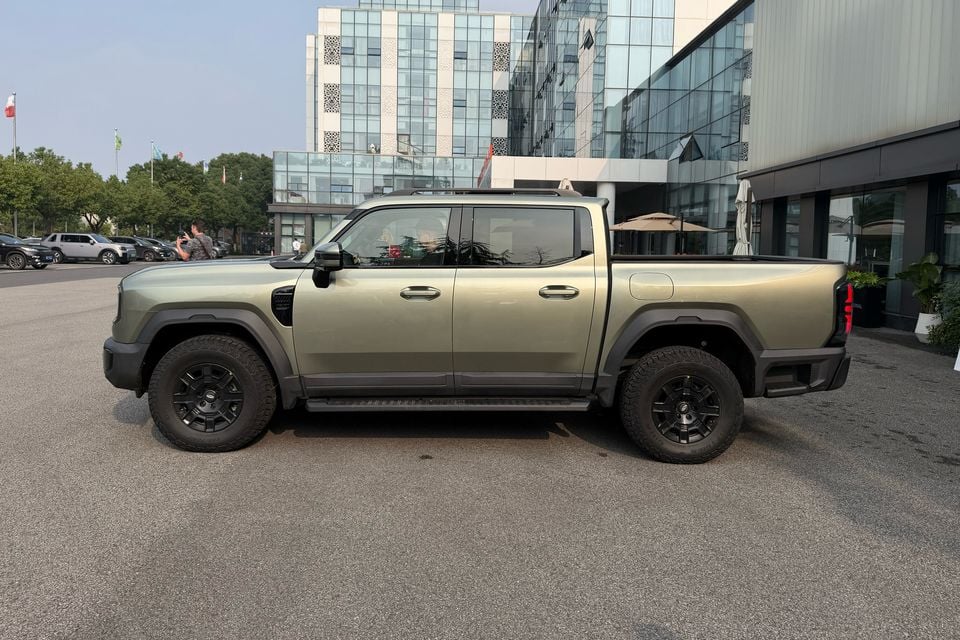
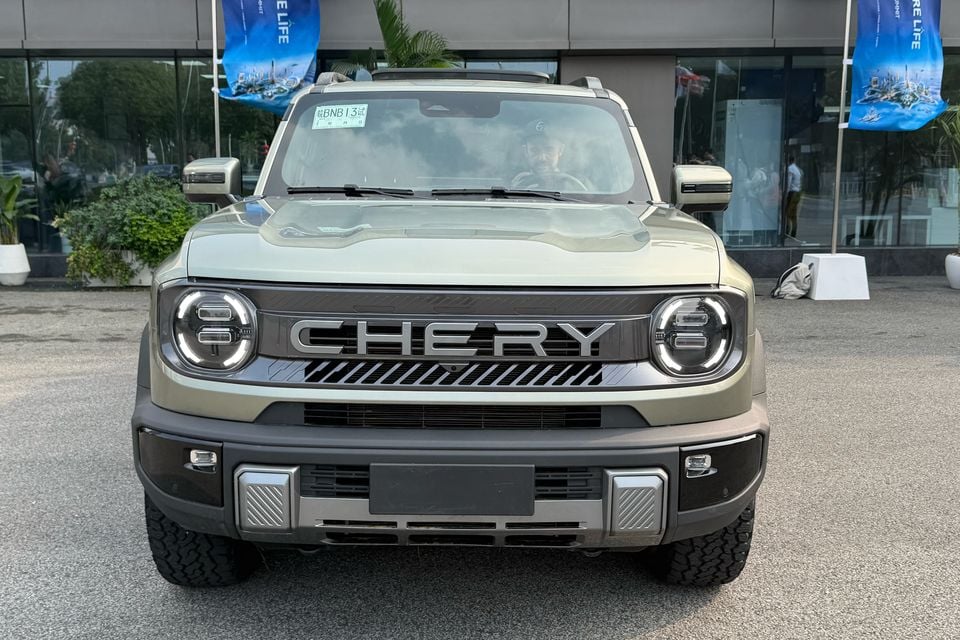
Chery says its Stockman diesel plug-in hybrid (PHEV) ute stays on course for its February 2027 Australian arrival, with the following round of local testing focused largely on software.
Customer deliveries are scheduled to start from February 1. Talking to CarExpert and other Australian media in China, Stockman chief product manager Mark Qi reaffirmed February because the goal.
“Yes. We have now discussed it with our Australian team. For now, the goal remains to be February next 12 months. In February, we are going to deliver the Stockman in Australia,” he said.
That is the timetable announced when Chery opened reservations on October 1, following an earlier forecast of late 2026.
Asked whether late changes could push deliveries into March or April, Mr Qi pointed to work on the advanced driver assistance systems (ADAS) and electric power steering (EPS).
“The vital things we may have to enhance, as now we have discussed, are ADAS and EPS. Those are mostly software, so that they are slightly easier for us,” he said.
CarExpert understands the Stockman’s core hardware is locked in, with engineers now refining its Australian calibration.
Mr Qi said Chery may have to construct the vehicles in January to satisfy February deliveries. He explained how the local feedback might be incorporated into the software.
“After we get feedback, the software and EPS engineers could make changes directly and check them,” he said.
Some calibration changes is also made through software updates after owners take delivery. Chery has previously told CarExpert that many ADAS software changes could be applied to existing vehicles at dealerships.
The immediate task is to ascertain the changes already made. Mr Qi said test vehicles had been sent to Australia in September, with further developed vehicles due at the top of October and in mid-November.
“We still need to do this work. The vehicle we send next month will mainly be for checking. We have now already had feedback, and the engineers have made changes,” Mr Qi said.
“Next month, we would like the Australians to ascertain it. There should be latest problems, but I feel the main target can be more on software.”
He also described the instructions he had given the driver-assistance engineers.
“For the ADAS, I told our engineers: don’t use your Chinese way of pondering. Take into consideration Australian people’s habits and the road conditions in Australia.”
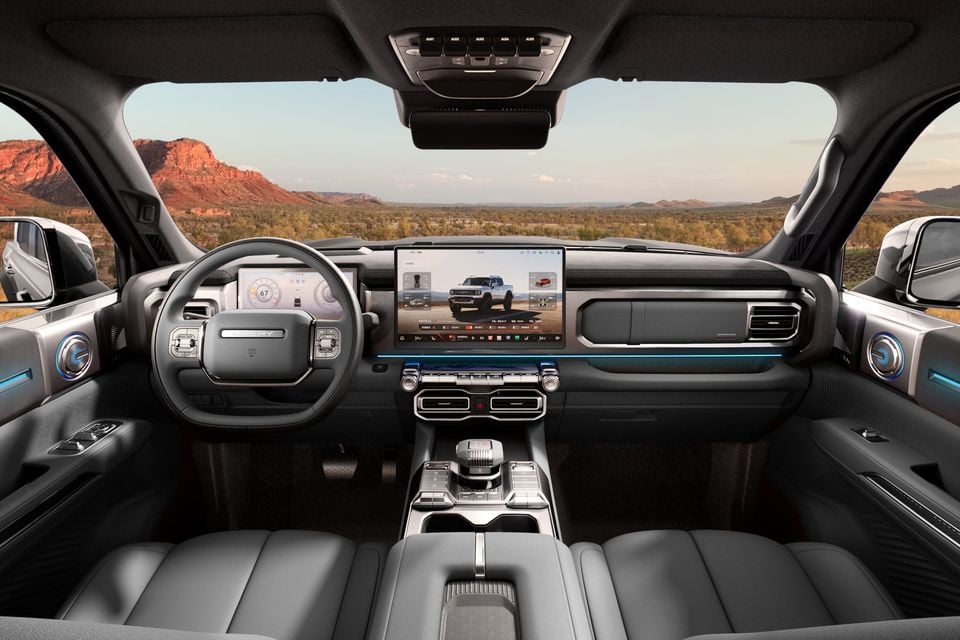
Steering weight is certainly one of the areas being tailored to Australian buyers.
“In China, especially in passenger cars, some people like lighter steering. It’s different in Australia, so we’re still working on that,” he said.
“The second is the brakes. That can also be about different habits. Something that feels OK in a passenger automotive might feel too light to a ute or pickup user.”
But there’s still work being conducted on hardware within the Stockman.
The Australian diesel PHEV uses leaf-spring rear suspension, and Mr Qi said ride tuning was also a part of the local work.
“For Australia, now we have leaf springs, and we’d like to do more work on the leaf springs and shock absorbers.”
Chery’s work with Australian engineering firm Premcar includes testing and validation of the Stockman’s ride and handling on local roads, in addition to off-road testing.
“Premcar chooses the locations to suit Australian use and provides us feedback,” said Mr Qi.
The Stockman follows a broader effort to tailor Chery vehicles to Australian conditions. CarExpert joined the Tiggo 7 PHEV’s local validation program in 2025, when engineers were refining how its lane-support systems responded to different road widths and markings.
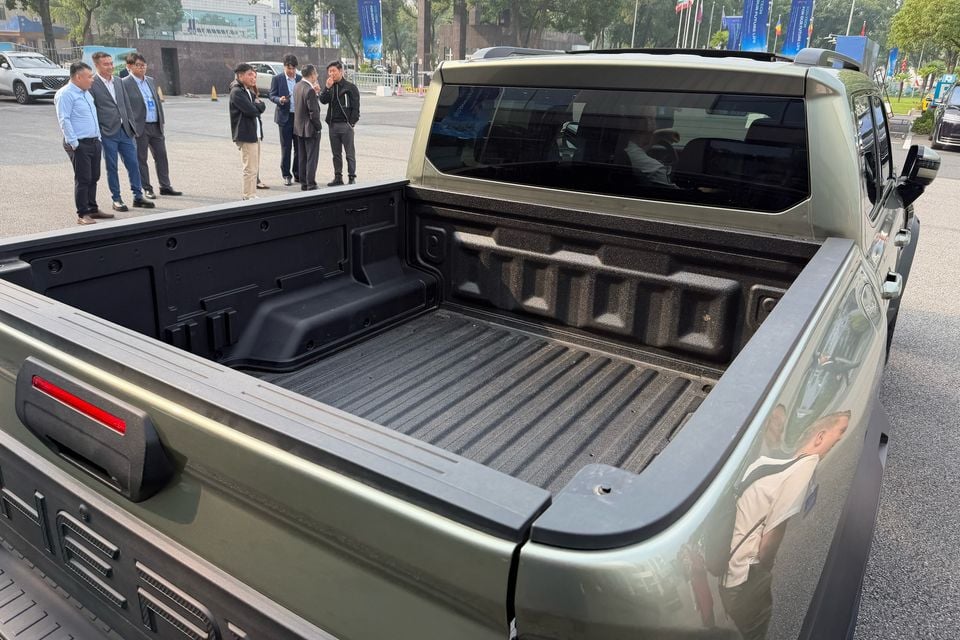
The Stockman is about to develop into Australia’s first diesel PHEV ute, joining petrol plug-in hybrids including the Ford Ranger Hybrid, BYD Shark 6, and GWM Cannon Alpha PHEV. It is probably not the one diesel PHEV ute for long, though, with GWM confirming work by itself diesel PHEV powertrain.
Chery’s preliminary specifications list a 2.5-litre turbo-diesel four-cylinder engine and 34kWh battery, with combined outputs of 350kW of power and 800Nm of torque. Claimed electric range is 96km on the WLTC test cycle.
Australian pricing has yet to be announced. A petroleum PHEV version is planned to follow within the second half of 2027.
This Article First Appeared At www.carexpert.com.au
